

cultivating relationships
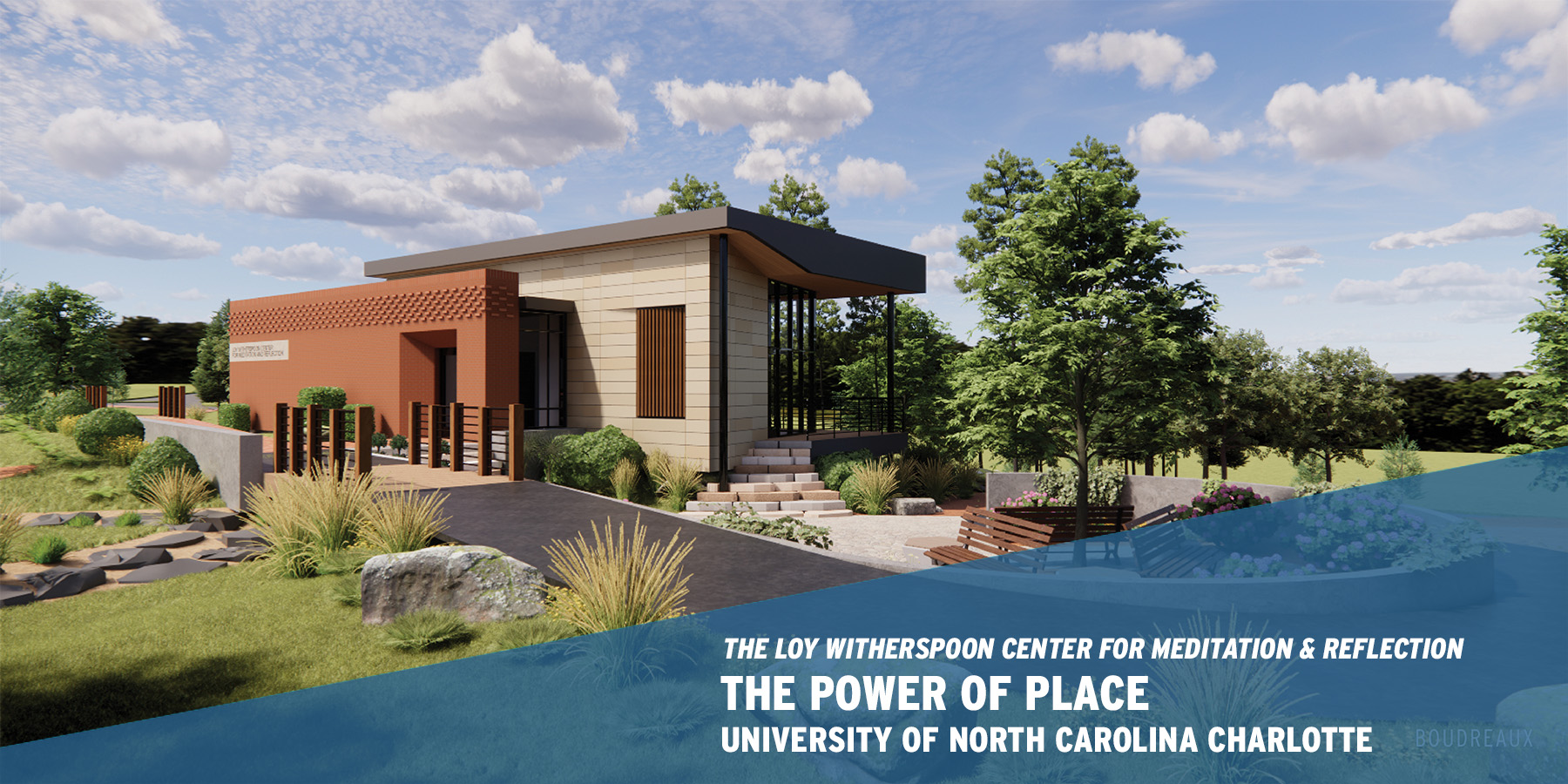
UNC Charlotte’s Loy Witherspoon Center for Meditation & Reflection
College campuses have always been designed around activity.
Classrooms buzz with discussion. Student centers host events. Recreation facilities promote wellness through movement. Residence halls foster community. Libraries support scholarship and discovery. Each of these spaces serves an important purpose.
But as universities continue evolving to meet the needs of today’s students, another type of space is becoming increasingly important: a place to simply pause.
The recent groundbreaking of the Loy H. Witherspoon Center for Meditation and Reflection at the University of North Carolina Charlotte represents more than the start of a construction project. It reflects a growing recognition that student success is not measured solely by academic achievement. It is also influenced by wellbeing, belonging, resilience, and personal reflection. The new center is being created specifically to support meditation, mindfulness, wellness activities, and interfaith understanding through a dedicated building and surrounding garden spaces.
The Missing Space on Many Campuses
Over the last several decades, universities have invested heavily in learning environments, recreation facilities, housing, dining, and student support services. These investments have transformed campus life. Yet many campuses still lack spaces intentionally designed for quiet reflection.
Students today navigate a world that is increasingly connected, demanding, and fast-moving. Their days are filled with classes, assignments, meetings, work obligations, social commitments, and constant digital engagement. While campuses provide countless opportunities for interaction and activity, opportunities for stillness are often much harder to find.
The result is that some of the most meaningful experiences happen not during scheduled activities, but in moments of pause. A quiet conversation between friends. A moment of reflection after a difficult day. A chance to gather one’s thoughts before a presentation, exam, or major life decision. These experiences are difficult to quantify, but they are deeply important to student wellbeing.
Designing for the Whole Student
UNC Charlotte recognizes that learning does not occur exclusively in classrooms. It happens through relationships, experiences, personal growth, and self-discovery. Physical spaces play an important role in supporting that development.
A meditation and reflection center is unique because it is intentionally inclusive. It serves students from many backgrounds, faith traditions, cultures, and life experiences. Some may visit for prayer. Others may practice mindfulness. Some may attend wellness programming. Others may simply seek a quiet place away from the pace of campus.
The common thread is not religion, academics, or recreation. It is the opportunity to reconnect with oneself.
The Power of Place
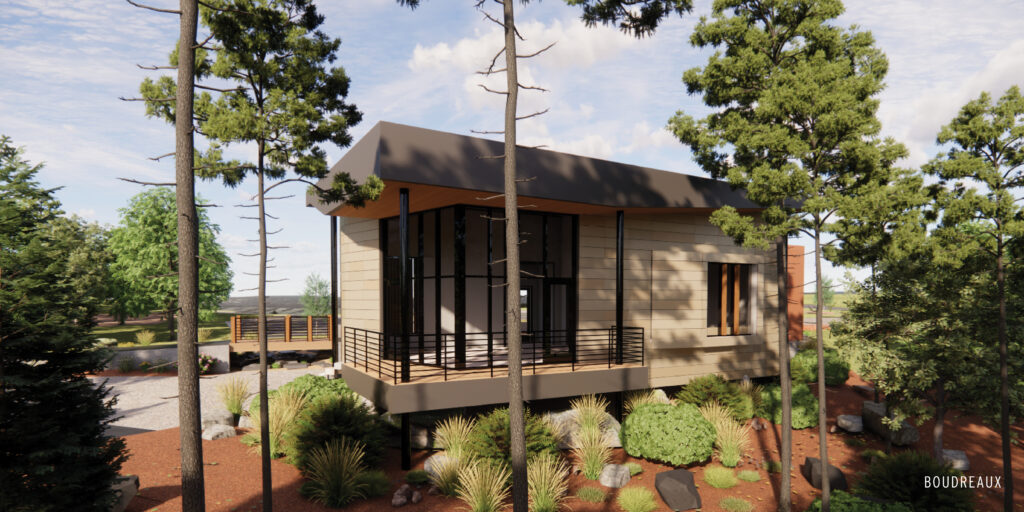
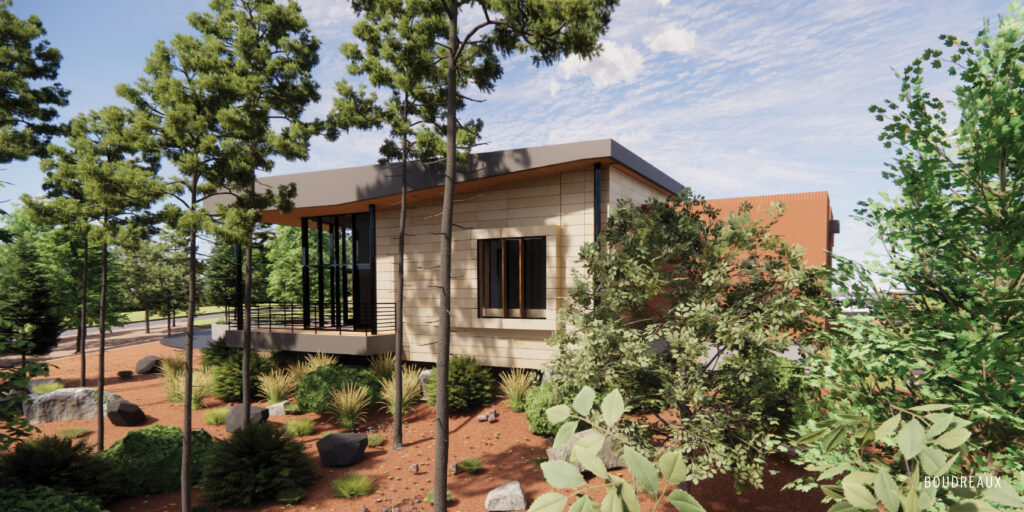
One of the most compelling aspects of the Loy H. Witherspoon Center is that the experience extends beyond the building itself. The project includes a network of gardens and outdoor spaces designed to create a transition from the energy of campus life into a more contemplative environment. The building and landscape work together to create an experience rather than simply a destination.
This approach reflects an important lesson in campus design: sometimes the most impactful spaces are not the largest, most visible, or most heavily programmed. Sometimes their value comes from creating opportunities for reflection, restoration, and human connection.
Looking Ahead
As campuses continue to invest in student success, we believe there is growing value in creating places that support the whole student. The classrooms, residence halls, recreation centers, and student unions will always be essential parts of campus life.
But increasingly, students also need places that offer something different. Places that encourage mindfulness. Places that foster belonging. Places that support wellness. Places that remind us that growth often happens in moments of quiet reflection.
The Loy H. Witherspoon Center for Meditation and Reflection represents that idea. As construction begins, it serves as a reminder that some of the most important spaces on a campus are not designed for activity at all.